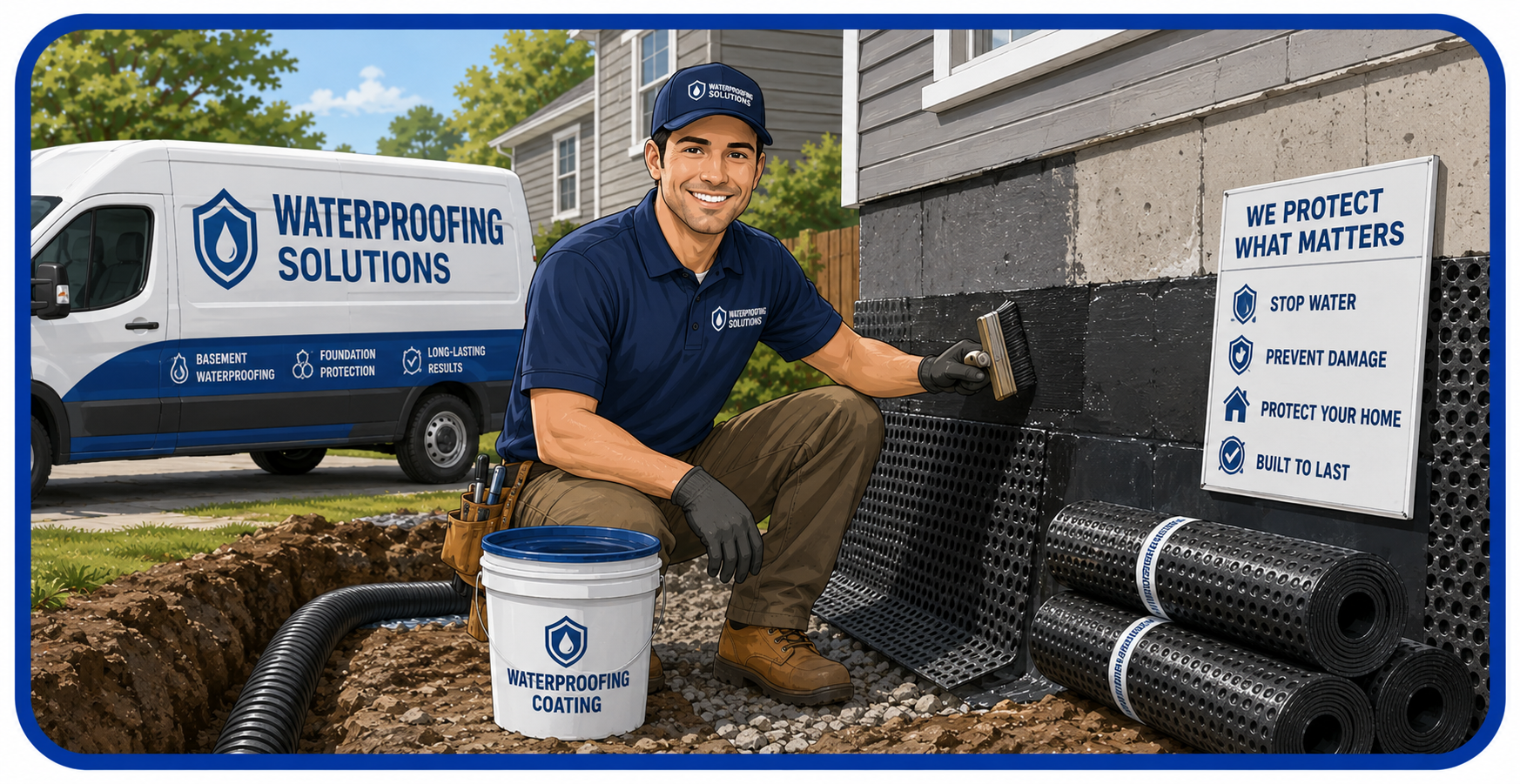
Every wet crawl space in Hopewell is a slow-motion disaster for the wood structure above it. Our heavy-duty vapor barrier systems stop ground moisture permanently.
What makes our encapsulation installs last decades, not years.
We install 20-mil reinforced polyethylene vapor barriers -- not the thin 6-mil sheeting that degrades within a few years under crawl space conditions.
Every seam in our vapor barrier installation is overlapped and taped with purpose-made crawl space seam tape rated for the temperature and humidity range your crawl space experiences.
Sealed crawl spaces consistently show measurable reduction in heating and cooling costs because conditioned air is no longer exchanged with the unconditioned crawl space below.
Protecting the wood structure of your home from moisture is the most cost-effective maintenance you can invest in, and crawl space encapsulation is the most efficient way to accomplish it.
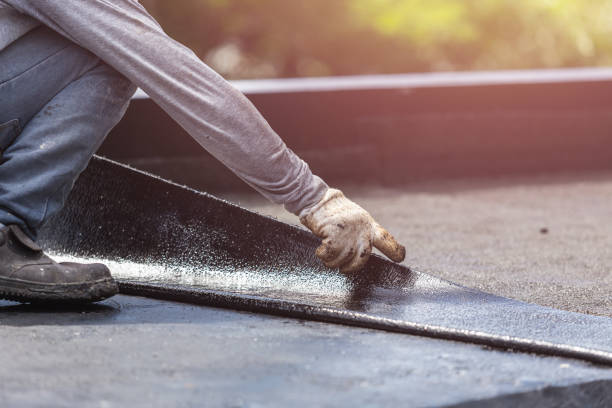
Crawl space encapsulation is the process of sealing a home's crawl space against outside air and ground moisture by installing a continuous vapor barrier on the floor and walls, sealing all vents and penetrations, and managing the internal humidity of the sealed space with a dedicated dehumidifier or conditioned air supply. The result is a semi-conditioned space that behaves like a dry indoor environment rather than an extension of the outside soil -- eliminating the ground moisture evaporation that is the primary driver of crawl space mold and wood rot. In Hopewell, OH, where soil moisture conditions fluctuate significantly with the seasons, encapsulation provides consistent protection year-round that passive venting strategies cannot match.
Seam treatment is what separates a professionally installed system from a DIY job that looks similar from a distance. Every seam in our installations is lapped a minimum of 12 inches and taped with a 4-inch crawl space tape rated for the temperature and humidity cycle of your crawl space. Penetrations for plumbing pipes, support columns, and structural posts are individually wrapped with additional barrier material and taped circumferentially so the junction between the pipe and the barrier is fully sealed. A barrier with unsealed seams can still allow significant moisture vapor migration because vapor follows the path of least resistance -- which is any gap, however small.
Wood rot in crawl space framing begins when wood moisture content exceeds approximately 19 to 20 percent and stays elevated long enough for decay fungi to establish. Decay fungi are present in virtually all soil and all crawl space environments -- the limiting factor is not their presence but the moisture level that allows them to become active. Floor joists exposed to a wet crawl space can develop visible decay within a few wet seasons, and the damage is progressive: soft spots in floors, squeaking from weakened joists, and in severe cases structural deflection in floor systems become evident. Our assessments photograph and document all floor joist and beam conditions so you understand the current state of your structure before and after encapsulation.
Mold remediation is frequently required in conjunction with encapsulation when visible mold colonies are already established on floor joists, subfloor sheathing, or HVAC components in the crawl space. We assess mold extent as part of every inspection and provide a remediation plan that addresses existing growth before the encapsulation barrier is installed. Installing a vapor barrier over active mold does not eliminate it -- the mold must be treated first to prevent it from continuing to develop and produce airborne spores that migrate into the living space. Our remediation process uses EPA-registered fungicidal treatments applied to all affected wood surfaces, followed by a borate-based preservative application to inhibit future growth.
Complete coverage from vapor barrier to dehumidification -- everything your crawl space needs.
We cut and fit barrier material to every section of your crawl space, including around posts, piers, and columns, so no ground surface is left exposed to vapor evaporation.
Dehumidifier placement and airflow direction are planned to ensure even coverage of the entire sealed space, with no humidity pockets that allow localized moisture buildup.
Existing foundation vents are sealed with rigid foam insulation cut to size and adhered with spray foam to eliminate the primary pathway for outside humid air to enter the crawl space.
Post-treatment borate preservative application inhibits future mold and decay fungi development on all treated wood surfaces under conditions of elevated humidity.
Drainage channels are integrated under the vapor barrier perimeter, routing water to a sump pit with a submersible pump sized for your drainage area.
We install weatherstripping and rigid foam panel inserts on all access points sized to provide an airtight fit that maintains the pressure balance of the sealed crawl space.
We enter the crawl space and conduct a systematic inspection of all floor and wall surfaces, document moisture meter readings at multiple locations, photograph all floor joist and beam conditions, and identify every source of water or moisture entry before recommending any course of action.
Standing water drainage infrastructure is also installed in this phase so the crawl space floor is dry and stable before the vapor barrier goes down.
Heavy-duty vapor barrier material is measured, cut, and installed across every section of the crawl space floor and up foundation walls, with all seams overlapped and taped and all penetrations individually sealed.
A rated crawl space dehumidifier is installed, connected to gravity drain or a condensate pump, and set to the target humidity level for your Hopewell, OH climate before we complete the project.
Our floor joists were showing early decay when JCB Waterproofing and Construction inspected. They remediated the mold, sealed the entire crawl space, and installed a dehumidifier -- a year later the wood moisture readings are in the safe range and the floors feel solid again.
JCB Waterproofing and Construction did a full encapsulation in one day and left the crawl space cleaner than it was when they arrived. The dehumidifier they installed has not required any maintenance beyond emptying the drip tray.
I got four quotes and JCB Waterproofing and Construction was the only company that gave me a written spec listing the mil thickness of the poly they were installing. That transparency is why I chose them and their work backed it up completely.
Take the first step toward a healthier, drier home. Contact JCB Waterproofing and Construction for a same-day crawl space inspection.
Call +1-866-476-1348 Now